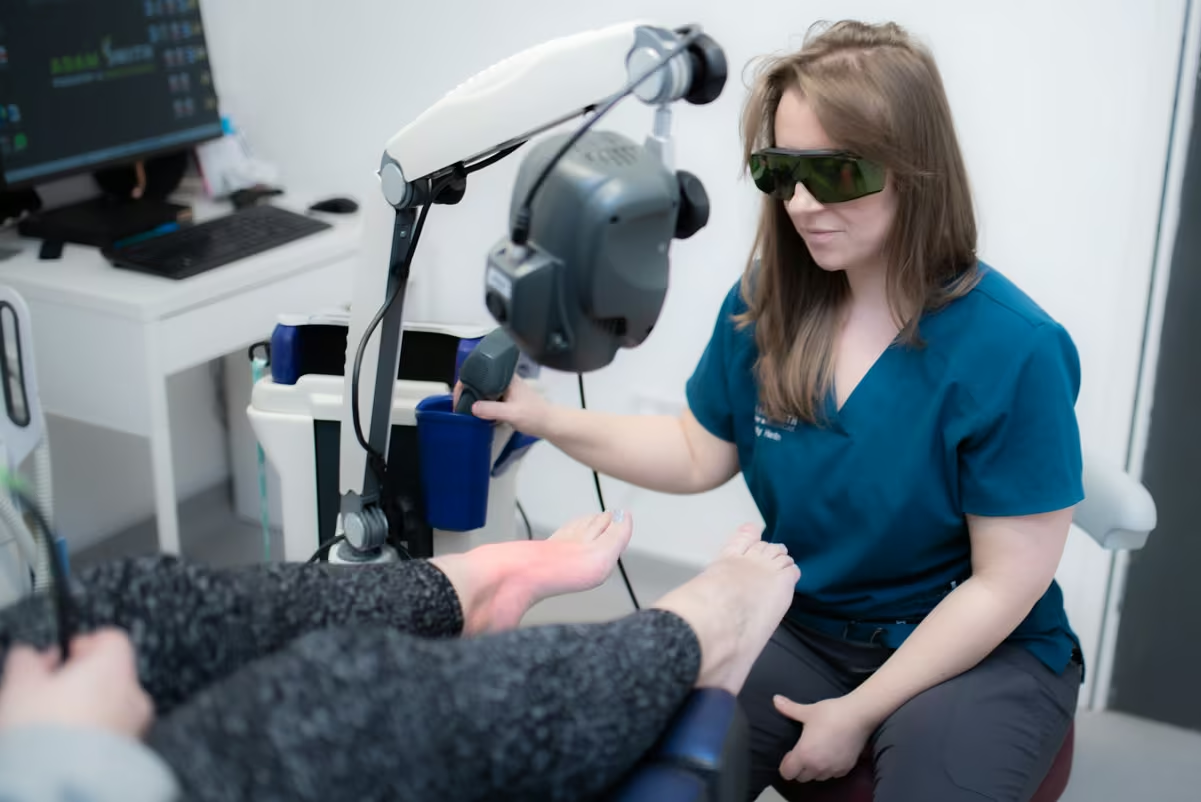
Diabetic Foot Care
Prevention, Monitoring & Advanced Assessment in Prestonpans, East Lothian
Why Diabetic Foot Care Is So Important
Diabetes can affect the feet in ways that are often gradual and painless at first, but potentially serious if changes are not identified early.
Over time, diabetes may:
- Reduce sensation (neuropathy)
- Affect circulation
- Alter pressure distribution when walking
- Slow healing
- Increase infection risk
The reassuring reality is that most diabetic foot problems are preventable with regular assessment, appropriate testing, and ongoing professional care.
At Adam Smith Podiatry & Sports Clinic, diabetic foot care is about anticipation, not reaction.
Regular Care Is the Key to Prevention
Serious foot complications rarely appear suddenly. They usually begin with:
- Small pressure changes
- Thickened skin
- Reduced sensation
- Minor rubbing or trauma
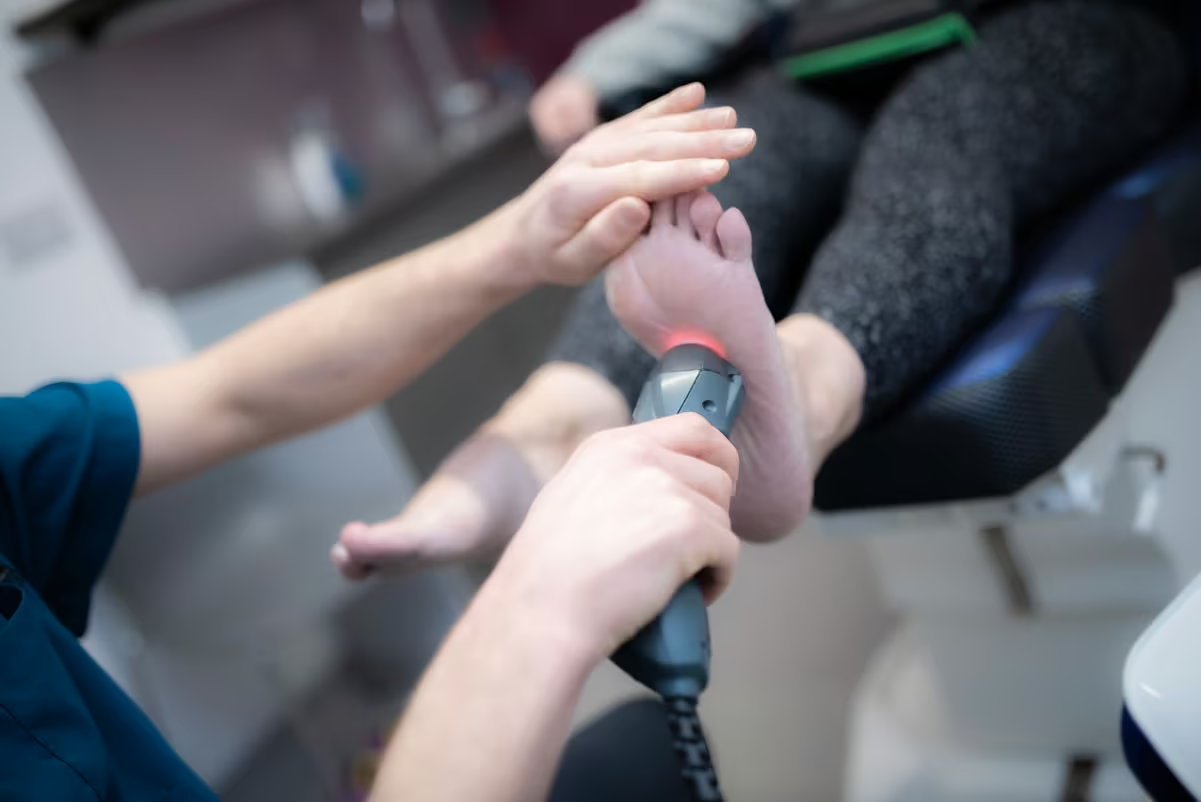
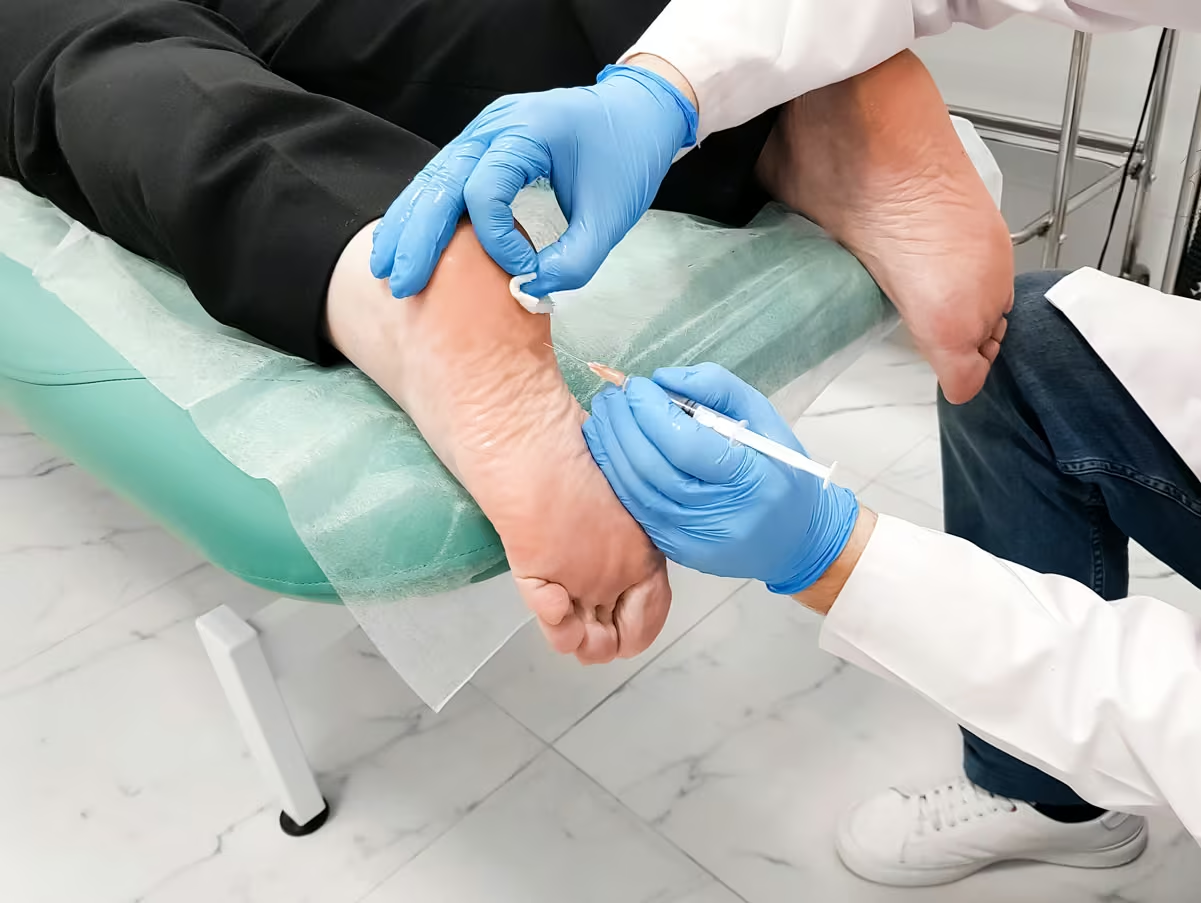
Regular podiatry appointments allow us to:
- Monitor subtle changes
- Reduce pressure safely
- Manage nails and skin before problems develop
- Protect mobility and independence
Even when feet feel comfortable, regular monitoring matters.
The Importance of Testing in Diabetic Foot Care
Visual inspection alone is not enough. Safe diabetic foot care relies on structured testing to identify risk early and guide appropriate care.
At our clinic, testing underpins every decision.
Sensory Testing (Nerve Health)
Loss of protective sensation increases the risk of unnoticed injury.
We assess:
- Light touch sensation
- Protective sensation
- Early signs of neuropathy
Identifying sensory changes early allows us to adapt care and increase monitoring before damage occurs.
Circulatory Assessment
Good circulation is essential for healing.
We assess:
- Foot pulses
- Skin temperature
- Capillary refill
- Visual signs of vascular compromise
This ensures all treatment is appropriate, safe, and tailored to your circulation status.
FootScan® Pressure Analysis
Seeing Risk Before Skin Breaks Down
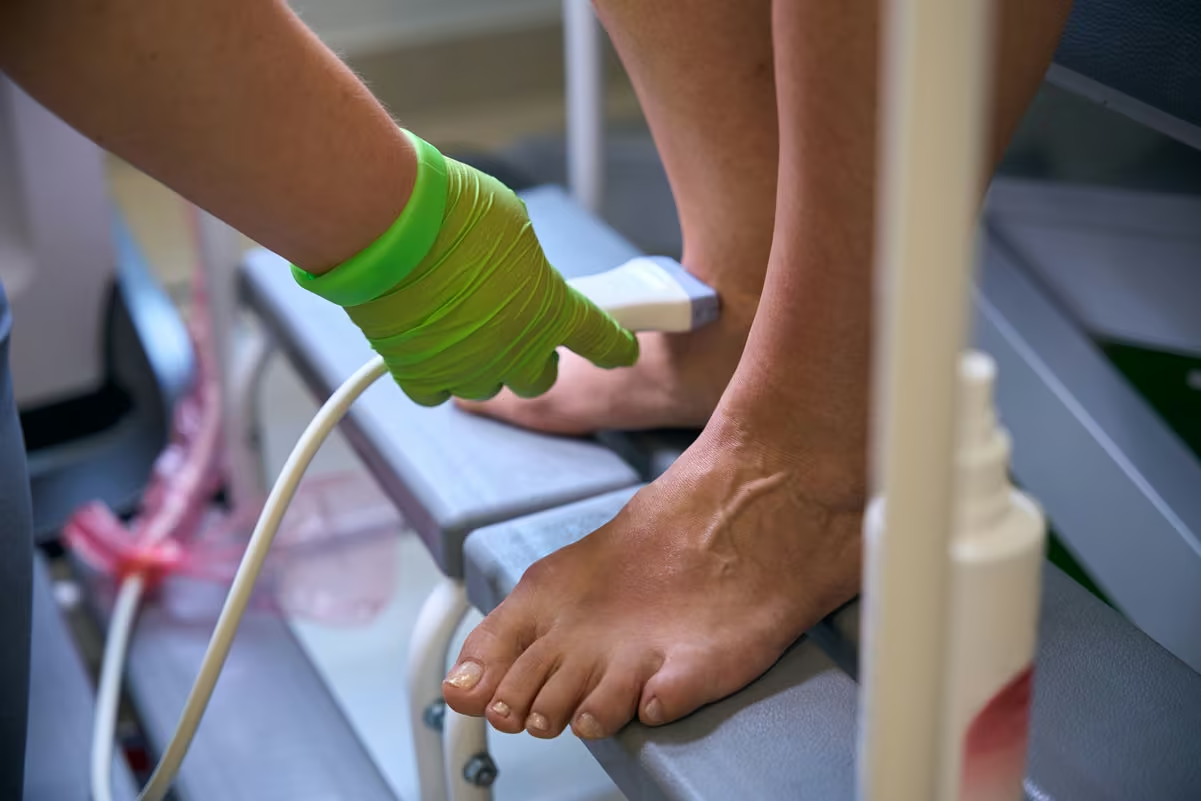
One of the most powerful tools in preventing diabetic foot problems is understanding how pressure travels through the feet when you walk.
We use FootScan® pressure plate technology to assess:
- Areas of high pressure
- Uneven loading between feet
- Timing of foot contact and push-off
- Pressure points linked to callus and ulcer risk
Importantly, pressure problems often develop before pain or visible skin damage appears.
FootScan allows us to:
- Identify risk areas early
- Explain clearly why certain areas are vulnerable
- Target callus reduction more precisely
- Guide footwear and orthotic decisions
- Reduce the risk of ulcer development
This adds a vital preventative layer to diabetic foot care that goes beyond routine checks.
Podium®: Structured Digital Foot Risk Monitoring
We also use Podium, a modern digital assessment and monitoring platform designed specifically for diabetic foot care.
Podium enables us to:
- Record detailed foot assessments
- Accurately stratify risk level
- Track changes over time
- Standardise high-quality care
- Ensure consistency and governance
When combined with clinical examination and FootScan data, Podium helps ensure nothing is missed and trends are recognised early.
Skin and Nail Care for People with Diabetes
Skin and nail problems that may seem minor can carry greater significance in diabetes.
We safely manage:
- Thickened or difficult-to-cut nails
- Ingrown toenails
- Corns and callus
- Cracked heels and fissures
- Dry, fragile, or vulnerable skin
Professional care reduces:
- Infection risk
- Skin breakdown
- Ulcer development
- Pain and walking difficulty
This is especially important where sensation or vision is reduced.
Pressure, Footwear and Offloading
Pressure is one of the biggest risk factors for diabetic foot complications.
Using findings from:
- Clinical examination
- FootScan pressure analysis
- Skin assessment
We provide guidance on:
- Footwear choice
- Pressure redistribution
- Orthotic support when appropriate
- Reducing friction and rubbing
Small changes in pressure can make a significant difference to long-term foot health.
Diabetic Foot Care at Every Stage
Low-Risk Feet
- Baseline testing
- Education and reassurance
- Ongoing monitoring
Moderate-Risk Feet
- Increased review frequency
- Targeted pressure management
- Early intervention
Higher-Risk Feet
- Careful, regular podiatry
- Pressure and skin surveillance
- Clear escalation pathways
Care always adapts to your individual risk profile.
What Happens at a Diabetic Foot Care Appointment?
Your appointment may include:
- Full foot health assessment
- Sensory and circulation testing
- FootScan pressure analysis (where appropriate)
- Podium digital risk assessment
- Nail and skin care
- Footwear and self-care advice
Everything is explained clearly and calmly, with time for questions.
Common Questions
If my feet don’t hurt, do I still need care?
Yes — many high-risk changes are painless in diabetes.
How often should FootScan be done?
This depends on risk level and changes over time — we’ll advise individually.
Does pressure really matter that much?
Yes — most ulcers develop at areas of repeated pressure.
Can diabetic foot problems really be prevented?
In the majority of cases, yes — with regular care and early detection.

Why Choose Adam Smith Podiatry and Sports Clinic?
At our Prestonpans clinic, diabetic foot care is:
- Preventative and proactive
- Supported by sensory, circulation, and pressure testing
- Enhanced by FootScan® and Podium® technology
- Calm, professional, and patient-centred
- Focused on long-term safety and independence
Caring for patients from Prestonpans, East Lothian, Musselburgh, Tranent, Haddington, and Edinburgh.
Stay One Step Ahead
Diabetic foot care works best when problems are identified before they become problems.
Book a diabetic foot care appointment today and protect your feet with structured testing, expert care, and advanced pressure analysis.