Soft Tissue Mobilisation and Therapy
What Is Sort Tissue Mobilisation and Therapy?
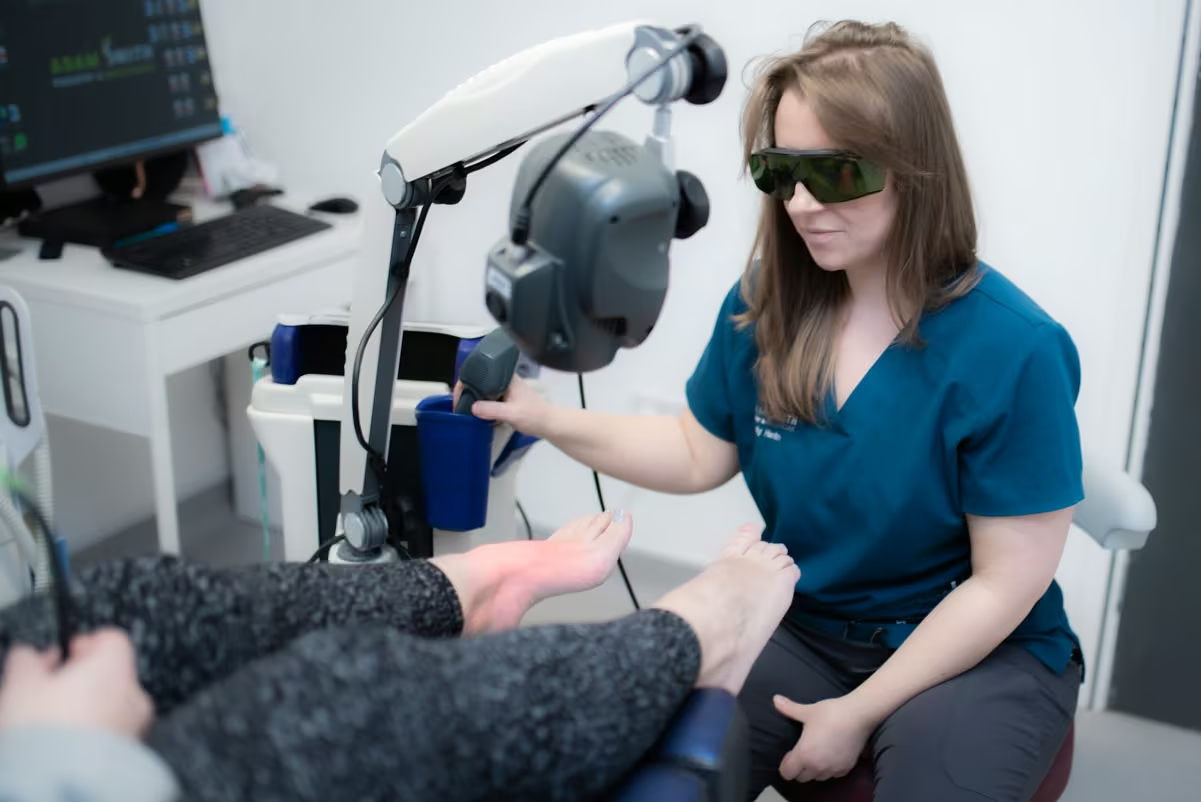
Soft Tissue Therapy releases tension, improves flexibility and supports healing in the muscles, ligaments and fascia of the lower limb. Techniques may include massage, myofascial release, stretching and trigger-point therapy.
This treatment is excellent for sports injuries, chronic tightness, overuse injuries and pain caused by muscle imbalance.
Why Manual Therapy Matters
Pain is often driven not just by injury, but by restricted joints, overloaded tissues, and compensatory movement patterns.
When joints don’t move well:
- Other joints are forced to work harder
- Soft tissues become overloaded
- Movement efficiency drops
- Pain persists or keeps returning
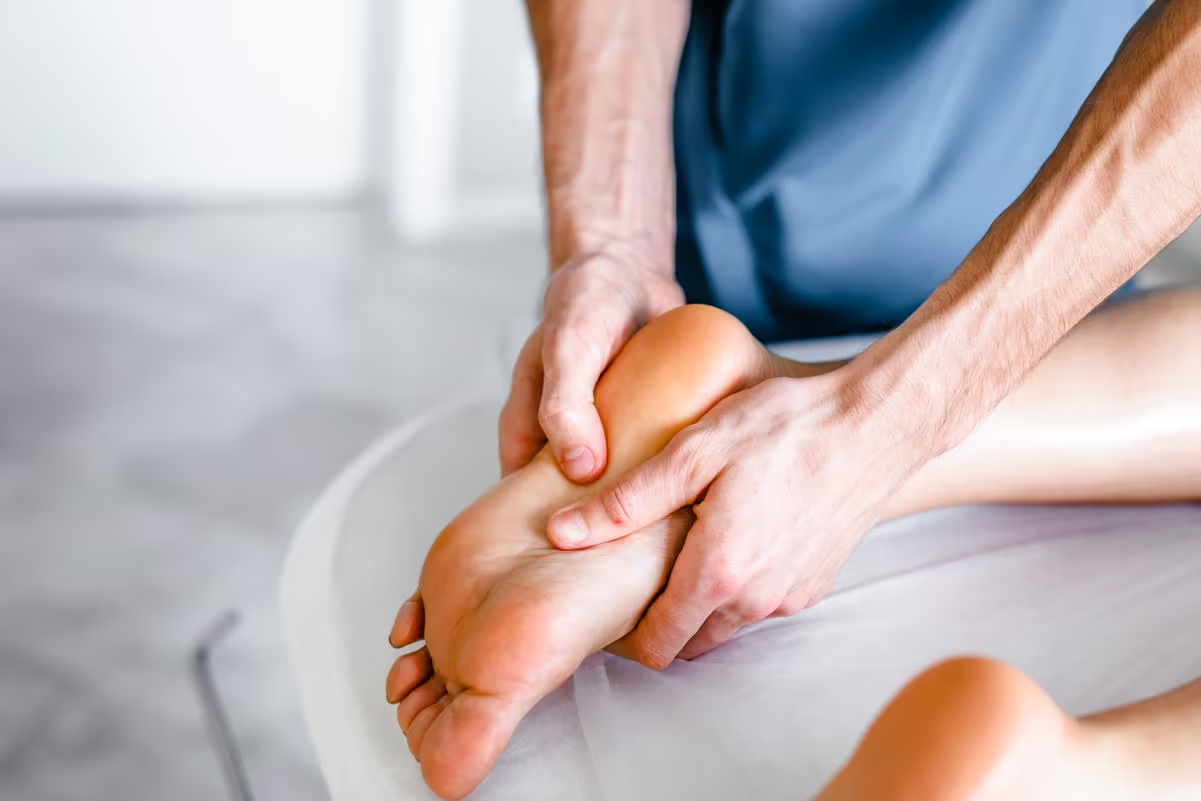
Manual therapy helps restore normal joint motion and tissue glide, allowing the body to move more efficiently and comfortably.
Soft Tissue Therapy
Treating Muscles, Tendons and Fascia Properly
Soft tissue therapy focuses on muscles, tendons, ligaments, and fascia that have become:
- Tight
- Overloaded
- Painful
- Reactive
- Restricted
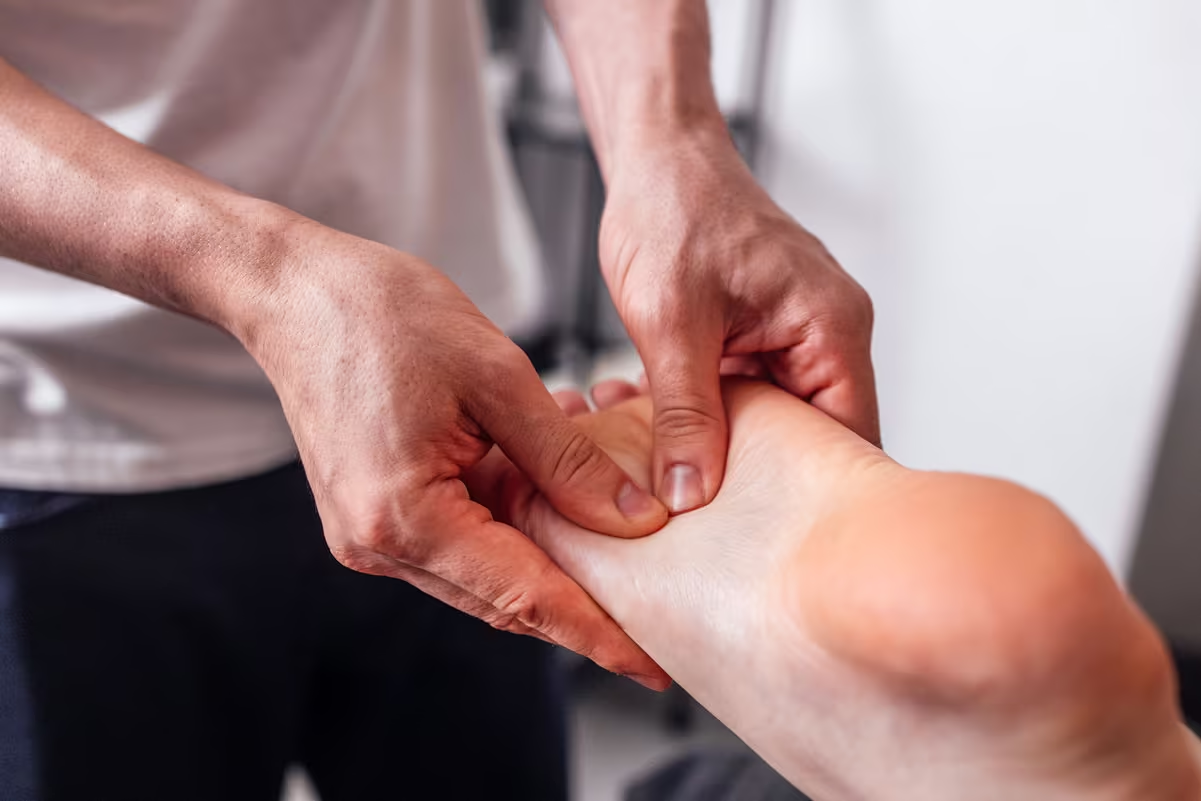
This is not generic massage — it is targeted, clinical soft tissue work designed to improve tissue capacity and movement.
What Soft Tissue Therapy Helps With
Soft tissue techniques are particularly effective for:
- Tendon pain (Achilles, plantar fascia, posterior tibial, peroneals)
- Muscle tightness and strain
- Chronic overload patterns
- Sports injuries
- Compensatory pain from altered gait
Techniques are adapted to your tolerance and needs — sometimes gentle, sometimes more specific — always purposeful.
Manual Therapy as Part of a Bigger Plan
Joint and soft tissue work are most effective when used as part of a complete treatment strategy.
At Adam Smith Podiatry & Sports Clinic, manual therapy is commonly combined with:
- Pain & Injury Assessment
- Gait analysis (FootScan / Run3D where appropriate)
- Rehabilitation exercises
- Strength and movement retraining
- Orthotics if required
- Shockwave, acupuncture, or other modalities
Manual therapy often:
- Reduces pain
- Improves movement quickly
- Allows rehab exercises to be performed more effectively

Common Questions
Is manipulation safe?
Yes — when performed by trained clinicians following proper assessment.
Will it hurt?
Treatment is adjusted to tolerance. Some techniques may feel intense but should never feel uncontrolled or unsafe.
Do I need this at every appointment?
No — manual therapy is used when helpful, not automatically.
Is this suitable for athletes and non-athletes?
Absolutely — movement quality matters for everyone.
Why Choose Adam Smith Podiatry and Sports Clinic?
At our Prestonpans clinic, manual therapy is:
- Assessment-led
- Biomechanically informed
- Influenced by world-class teaching
- Integrated with rehab and movement change
- Focused on long-term results
Supporting patients from Prestonpans, East Lothian, Musselburgh, Tranent, Haddington, and Edinburgh.
Move Better — Not Just Temporarily
If pain, stiffness, or restriction is holding you back, joint mobilisation, manipulation, and soft tissue therapy can be a powerful step toward better movement — when applied properly and for the right reasons.
Book a pain & movement assessment today and let’s restore movement where it matters most.