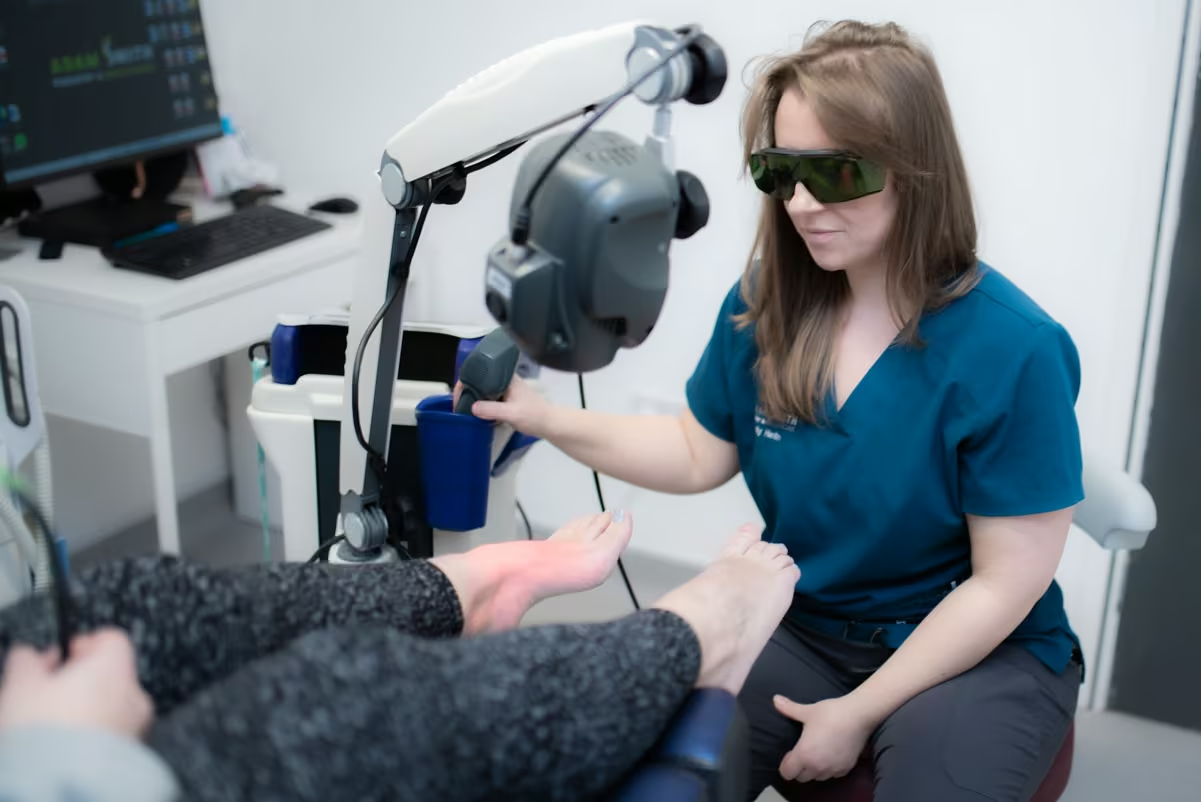
Pain and Injury Assessment
Advanced Gait, Strength & Movement Analysis in Prestonpans, East Lothian
What Is a Pain and Injury Assessment?
A Pain and Injury Assessment is a comprehensive, evidence-led evaluation designed to identify why pain or injury is happening, not just where it hurts.
At Adam Smith Podiatry & Sports Clinic, we don’t rely on guesswork or brief observation. Instead, we combine advanced gait analysis technology, clinical examination, and functional testing to understand how your body moves as a whole — and how that movement may be contributing to pain.
This assessment is suitable whether you’re:
- Currently injured
- Dealing with persistent or recurring pain
- Recovering but not progressing
- Experiencing unexplained aches
Wanting clarity after failed treatments elsewhere
A Whole-Body, Whole-Gait Approach
Pain rarely comes from a single issue in isolation.
During your assessment, we look at:
- How you walk and move
- How forces travel through your feet and legs
- Strength and control of key muscle groups
- Joint range of movement
- Compensations and asymmetries
- Footwear and loading patterns
By assessing the entire movement chain, we can identify root causes that might otherwise be missed.
Advanced Gait Analysis
We use FootScan® pressure plate technology to capture detailed, dynamic data as you walk.
This allows us to measure:
- Pressure distribution under the feet
- Timing of foot contact and push-off
- Loading differences between left and right
- Areas of excessive stress
This objective data helps explain:
- Why pain keeps returning
- Why injuries aren’t settling
- Why one side is overloaded
- Why certain tissues keep flaring up
It turns subjective symptoms into clear, measurable insight.
Strength Testing with EasyForce®
Strength deficits are a major contributor to pain and injury — but they’re often underestimated.
Using EasyForce®, we can objectively assess:
- Muscle strength and imbalance
- Side-to-side differences
- Weakness contributing to overload
- Progress during rehabilitation
This removes guesswork and allows us to tailor rehab precisely — not generically.
Joint and Movement Assessment with EasyAngle®
Restricted or excessive joint movement can dramatically affect gait.
Using EasyAngle® digital goniometry, we assess:
- Joint range of movement
- Symmetry between sides
- Functional restrictions
- Hyper- or hypomobility
This ensures that both stiffness and instability are identified and addressed.
Clinical Examination and Functional Testing
Technology supports — but never replaces — clinical expertise.
Your assessment also includes:
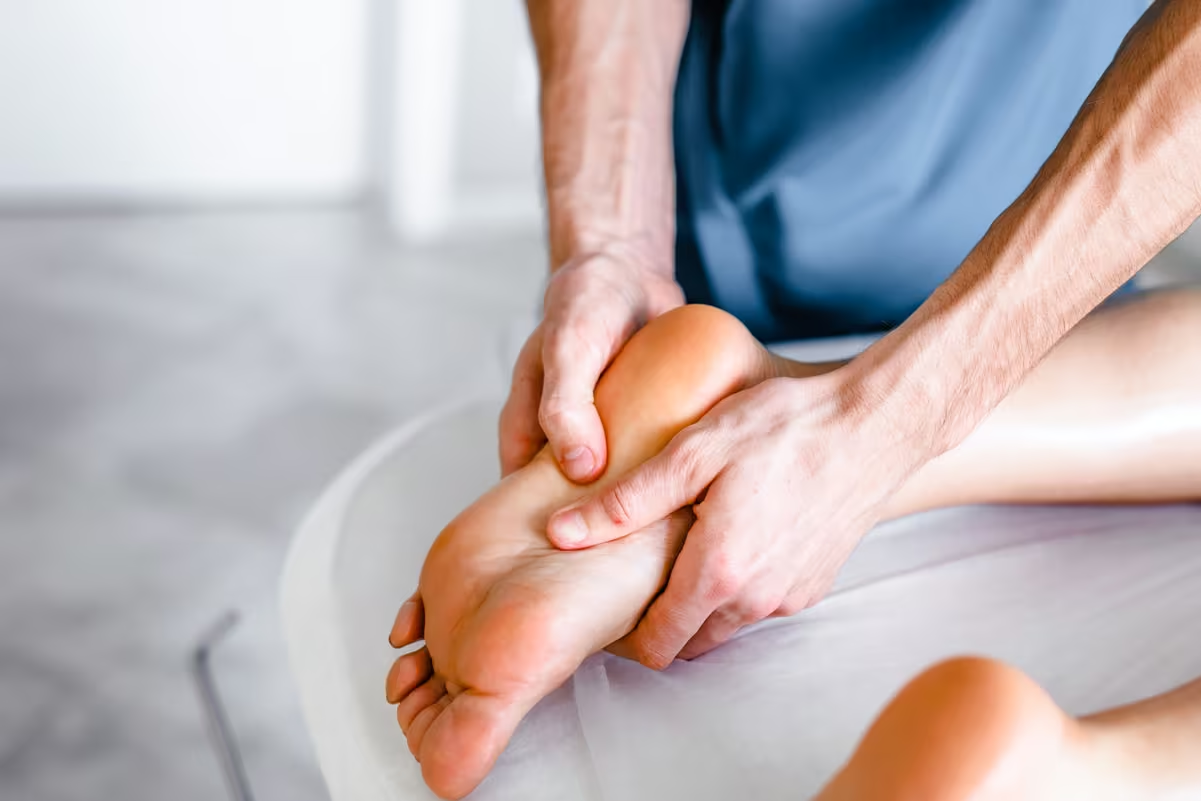
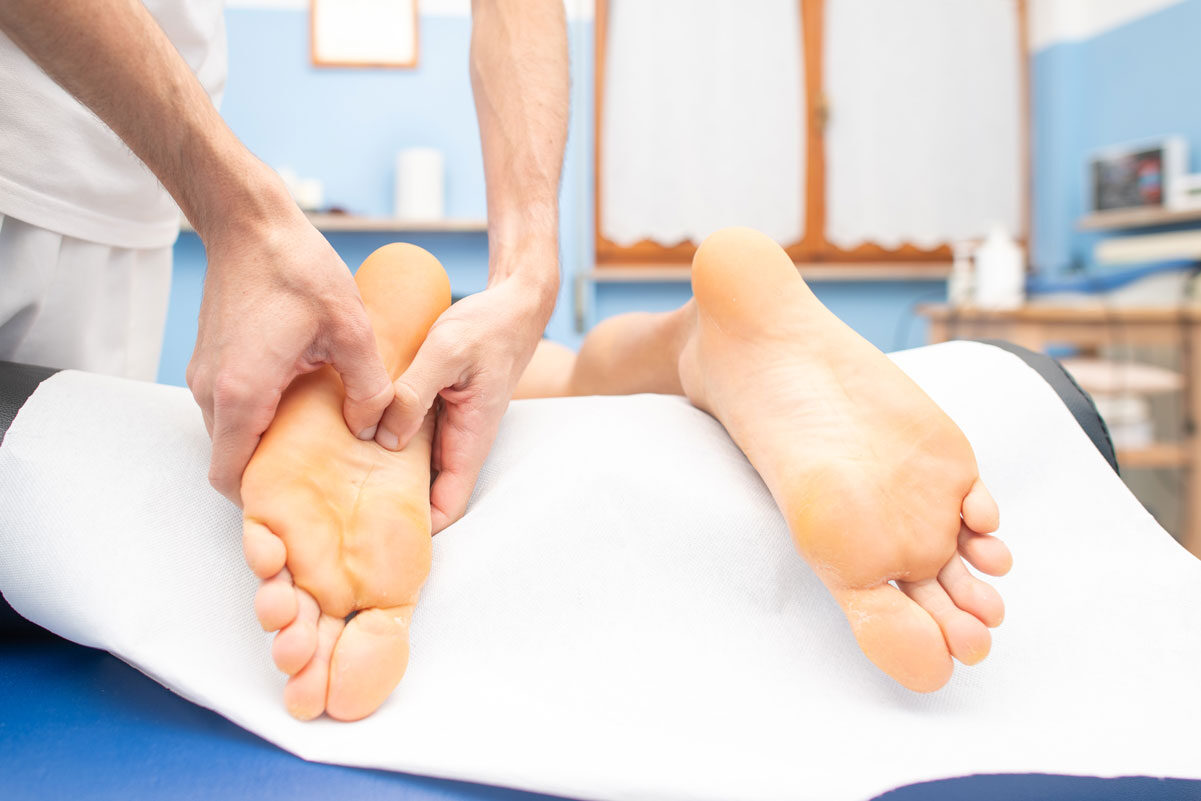
- Hands-on examination
- Muscle length and control testing
- Functional movement assessment
- Observation of pain behaviour
- Discussion of training, work, and lifestyle factors
This ensures the full picture is understood.
Optional Diagnostic Ultrasound
When appropriate, a diagnostic ultrasound scan can be added for an additional cost.
Ultrasound allows us to:
- Visualise tendons, ligaments, muscles, and fascia
- Assess tissue quality and injury severity
- Confirm or rule out suspected diagnoses
- Guide more precise treatment decisions
It’s particularly helpful for persistent or unclear pain, or when progress has stalled.
What Happens After the Assessment?
Clarity leads to effective treatment.
Following your assessment, we create a clear, personalised plan, which may include:
Rehabilitation programme
- Targeted, progressive exercises
- Based on your strength and movement findings
- Designed to fix the cause, not just symptoms
Orthotics (if appropriate)
- Custom or semi-custom options
- Prescribed only when they add value
- Integrated into your rehab plan
Hands-On & Modalities
- Manual therapy
- Shockwave
- Acupuncture
- Laser or other treatments where appropriate
Load and Activity Guidance
- What to stop, modify, or continue
- Realistic return-to-activity timelines
Everything is explained clearly, in plain language.
Conditions Commonly Assessed
Pain & Injury Assessments are ideal for:
- Foot and ankle pain
- Heel and arch pain
- Achilles and tendon injuries
- Running injuries
- Knee and hip pain linked to gait
- Sports injuries
- Work-related overuse pain
- Chronic or recurrent issues
They’re also valuable when you’ve:
- Tried treatment elsewhere without success
- Been given conflicting advice
- Been told “everything looks normal” but pain persists
For Injured — and Pain-Free Patients
This assessment isn’t just reactive.
Many patients book Pain & Injury Assessments to:
- Understand recurring niggles
- Prevent future injury
- Optimise movement
- Gain reassurance
- Build a proactive plan
Identifying issues before they become painful often leads to faster, easier solutions.
Common Questions
How long does the assessment take?
Will I get results on the day?
Do I need imaging first?
Is this suitable for athletes?

Why Choose Adam Smith Podiatry and Sports Clinic?
At our Prestonpans clinic, pain and injury assessment is:
- Data-driven
- Clinically thorough
- Individually tailored
- Integrated with treatment and rehab
- Focused on long-term outcomes
Proudly supporting patients from Prestonpans, East Lothian, Musselburgh, Tranent, Haddington, and Edinburgh.
Get Answers — Not Guesswork
If you’re tired of chasing symptoms and want clear answers and a proper plan, our Pain & Injury Assessment is the ideal starting point.
Book your assessment today and take the first confident step toward recovery, resilience, and better movement.