Ball of Foot Pain (Metatarsalgia)
Pain in the ball of the foot is the symptom, not the diagnosis. Several different things cause it, they feel broadly similar, and they need completely different treatment. That's the main reason this one drags on. What it feels like:- Aching or burning under the ball of the foot, worse the longer you're on your feet
- A feeling of walking on a stone or with a sock bunched up
- Sharp pain under one specific toe joint
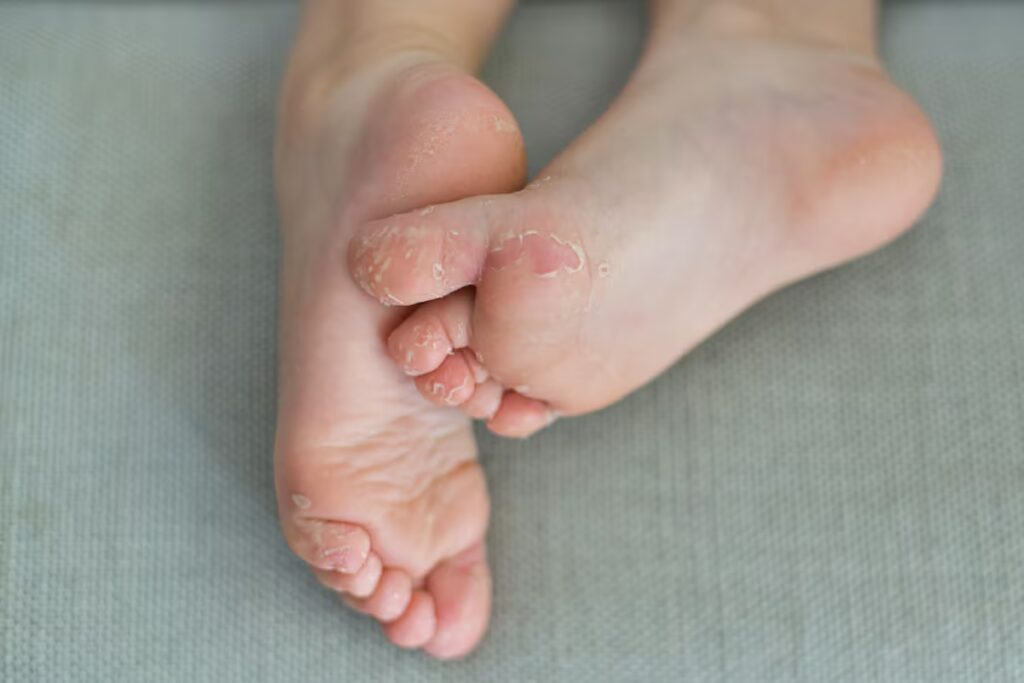
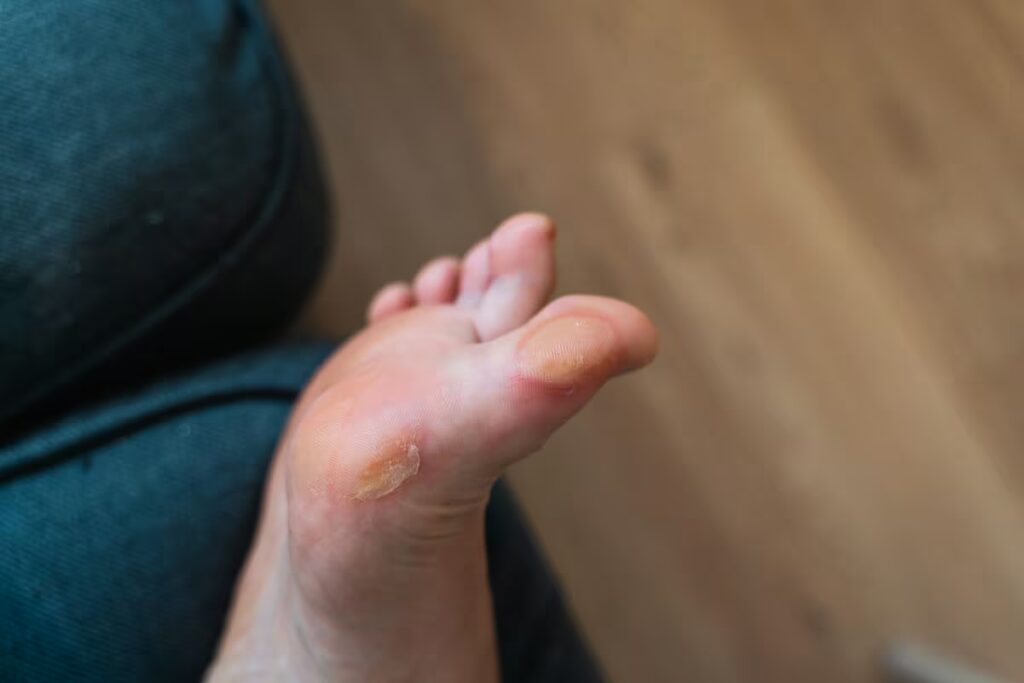
- Callus building up under the ball of the foot
- Pain that's worse barefoot on hard floors, or in thin-soled shoes
- Sometimes a toe that has started to lift or claw
What might be causing it
- Overload of the metatarsal heads, where too much pressure goes through the long bones of the forefoot.
- Morton's neuroma, an irritated nerve, which usually burns and causes numbness in two toes.
- Capsulitis, inflammation of the joint lining, usually under the second toe and often with a toe beginning to lift.
- A plantar plate tear, where the structure under the toe joint gives way. This one needs catching early.
- A stress fracture, usually with a clear history of increased activity.
- Fat pad thinning, more common with age, where the natural cushioning has reduced.
Why come to us
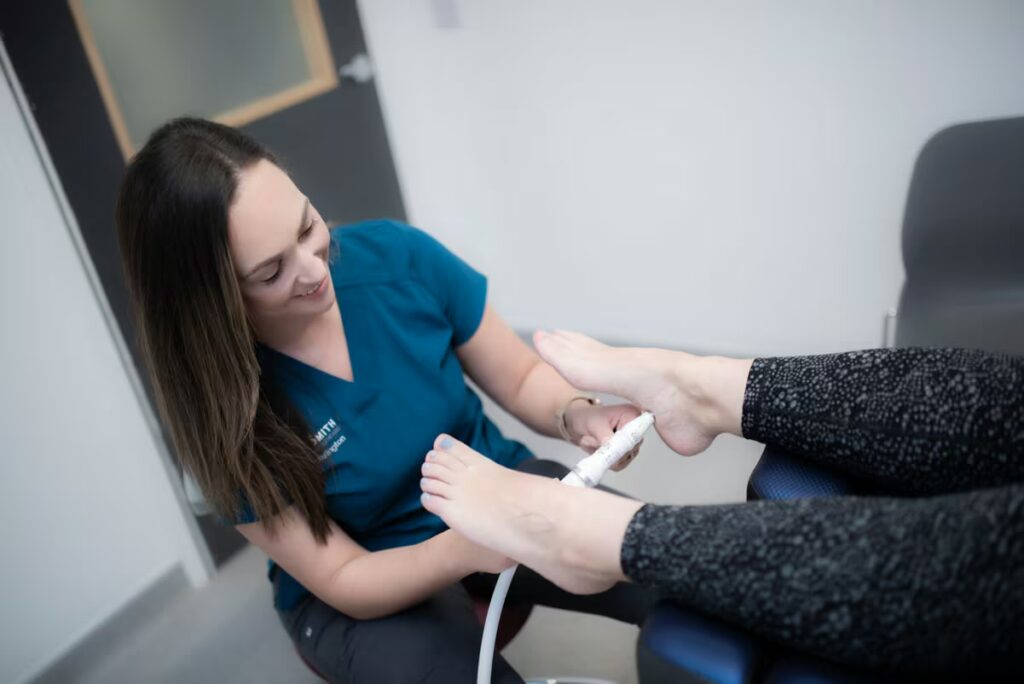
We scan, which is the most reliable way to tell these apart.
A neuroma, a capsulitis and a plantar plate tear can all show up as pain under the forefoot, and treating the wrong one wastes months. Our ultrasound is CASE accredited and done in clinic by Adam.We measure pressure.
FootScan shows exactly where the load is going and how much, which guides the orthotic prescription.We deal with the callus and the cause.
Reducing hard skin gives quick relief, but it returns unless the pressure changes.
What happens at your assessment
Step 1
We establish exactly where it hurts and what brings it on.
Step 2
We examine each joint individually and test the plantar plate.
Step 3
We scan, to identify which of the possible causes it is.
Step 4
We take a pressure analysis to see your loading pattern.
Step 5
We reduce any callus, which is often more comfortable straight away.
Step 6
We set out a treatment plan specific to the diagnosis.
How we treat it
- Custom orthotics with targeted offloading, the main treatment for pressure-related forefoot pain.
- Footwear changes, particularly sole stiffness and heel height.
- Taping and splinting, where a plantar plate is involved.
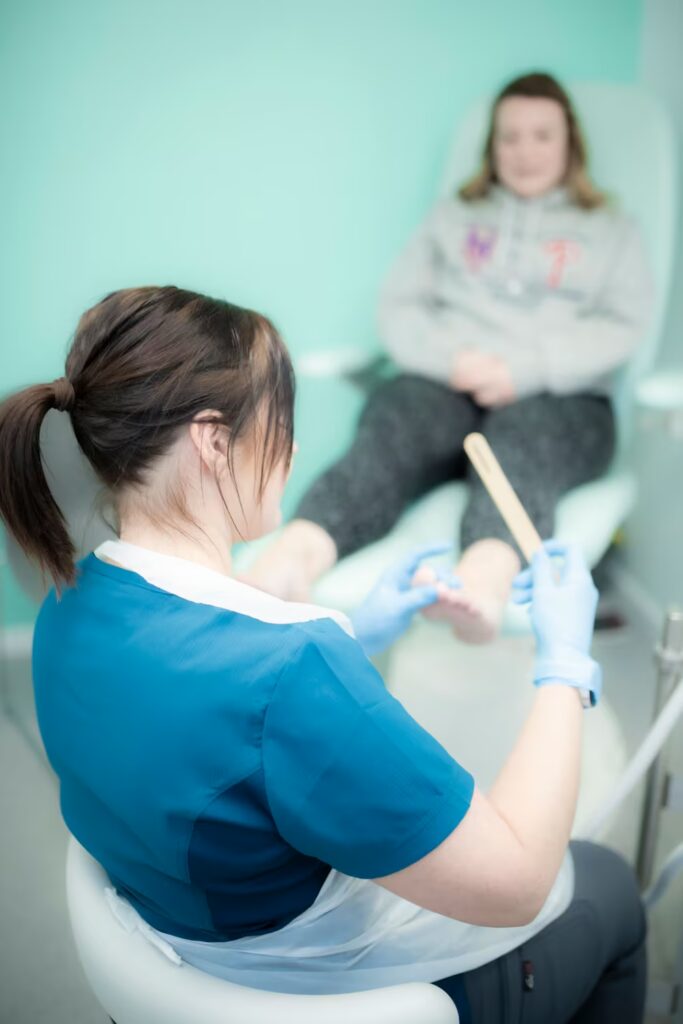
- Routine podiatry (our Complete Podiatry Appointment), to reduce callus and relieve pressure points.
- Injection therapy, for a confirmed inflammatory cause.
- Shockwave or laser therapy, depending on the structure involved.
- Activity changes, where a bone stress injury is suspected.
Prices
Appointment
Length
Price
Ultimate MSK (full assessment plus Run3D gait analysis)
90 minutes
£295
Pain & Injury Follow-up (shockwave, laser or acupuncture)
30 minutes
£85
Ultrasound and assessment, with Adam
45 minutes
£195
Complete Podiatry Appointment
30 minutes
£59
Frequently asked questions
Is it just callus?
Callus is usually a sign rather than the cause. It builds where pressure is highest. Removing it helps, but the pressure needs addressing or it comes back within weeks.
How do I know if it's a neuroma?
Neuromas usually burn, cause numbness in two neighbouring toes, and ease when you take your shoe off. Pressure-related pain is more of a deep ache that builds through the day. A scan settles it.
Can I keep running?
Often yes, with the right offloading, unless we suspect a stress fracture or plantar plate tear.
Why has this started now?
Common triggers are a change in footwear, more standing or walking, weight change, or age-related thinning of the fat pad.
Will orthotics help?
For most pressure-related causes, well-prescribed orthotics can make a real difference. They need to be made from your actual loading data rather than a generic arch shape.
Ball of foot pain that has lasted more than a few weeks deserves a scan rather than another pair of insoles.